
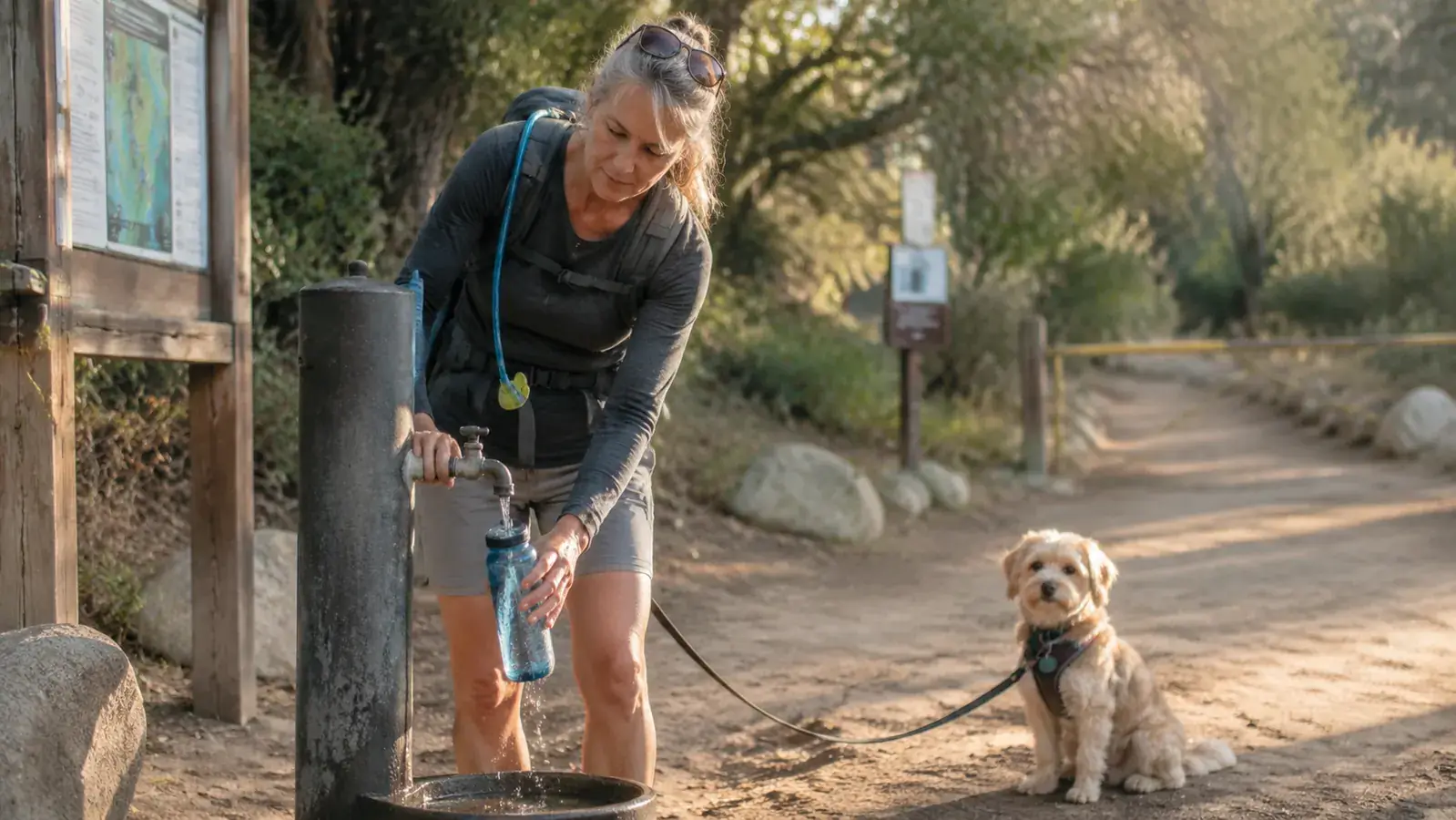
I used to treat hydration on a hike the same way I treated it on any other day, drink when I'm thirsty and top off the bottle at the trailhead. That worked fine for years of short, shaded walks with Scout, the kind where you're back at the truck before the heat really builds. It stopped working the day a long ridge hike in real heat left me with a headache and rubber legs on the way down, and it's the reason I now build my hydration around a plan instead of a habit, with a box of HydroMATE electrolyte packets doing most of the heavy lifting.
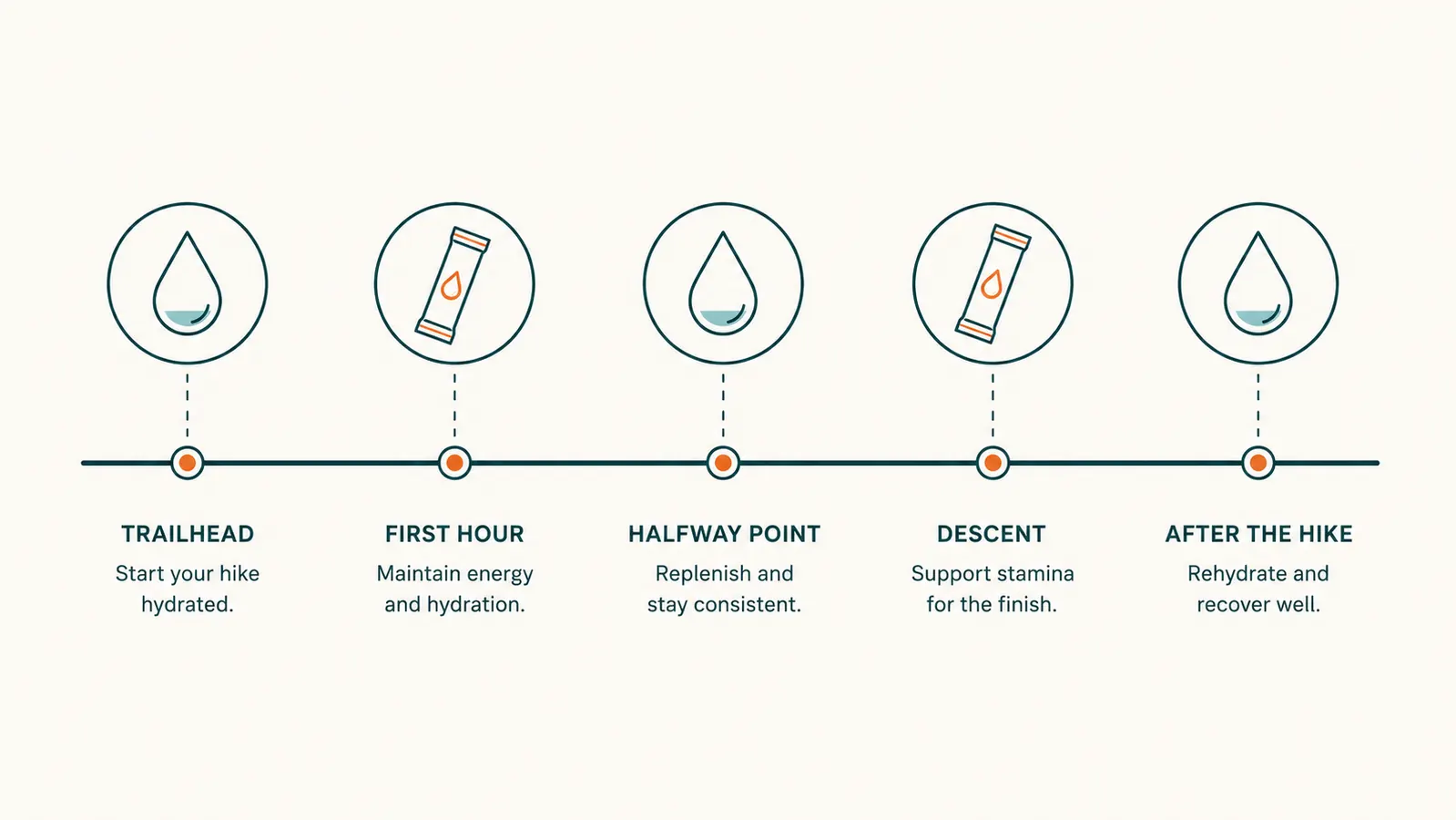
This is not a complicated system. It's five steps, most of which take less than a minute each, and they cover the whole arc of a long hike from the morning you're packing the truck to the evening you're back at camp. None of this is medical advice, and if you have a heart condition, kidney issues, are on blood pressure medication, or have any concern about sodium intake, talk to your own doctor before changing how much you're drinking or adding electrolyte supplements to your routine. What follows is simply the plan I use, at 52, to keep up with my dog on trails that used to wear me out by early afternoon.
The Packets I Build This Whole Plan Around
Every step below assumes you've got a few HydroMATE electrolyte packets in the bottom of your pack before you leave the truck, not after you're already feeling the heat. They weigh almost nothing and take less room than a granola bar.
Amazon Check Today's Price on Amazon →Step 1: Start the Night Before, Not at the Trailhead
The biggest change I made after that rough ridge hike had nothing to do with the trail itself. It happened the night before, at the kitchen counter, when I started actually packing electrolyte packets into my hiking bag the same way I pack a headlamp or a map, as a fixed part of the kit rather than something I remember to grab if I think of it. I keep a small zip pouch with six or seven HydroMATE packets living permanently in my daypack, so the decision is already made before I ever get to the trailhead.
I also drink a normal glass of water with dinner the night before a long hike and another with coffee in the morning, nothing dramatic, just paying attention instead of showing up already a little behind. Showing up already thirsty at 7am is a hole you spend the first two miles trying to climb out of, and on a hot exposed trail that hole gets deeper faster than plain water alone can fill it. This step costs nothing and takes about ten seconds of thought the night before.
If you're camping the night before the hike, this is also the moment to check the packet count against how many days you'll actually be out, not just the one hike. I've come up short on a multi-day trip before by only packing enough for the big hike and forgetting the shorter walks around camp still add up. Now the pouch gets checked against the whole trip, not just the headline hike on the itinerary.
Step 2: Mix Your First Bottle Before You Start Walking
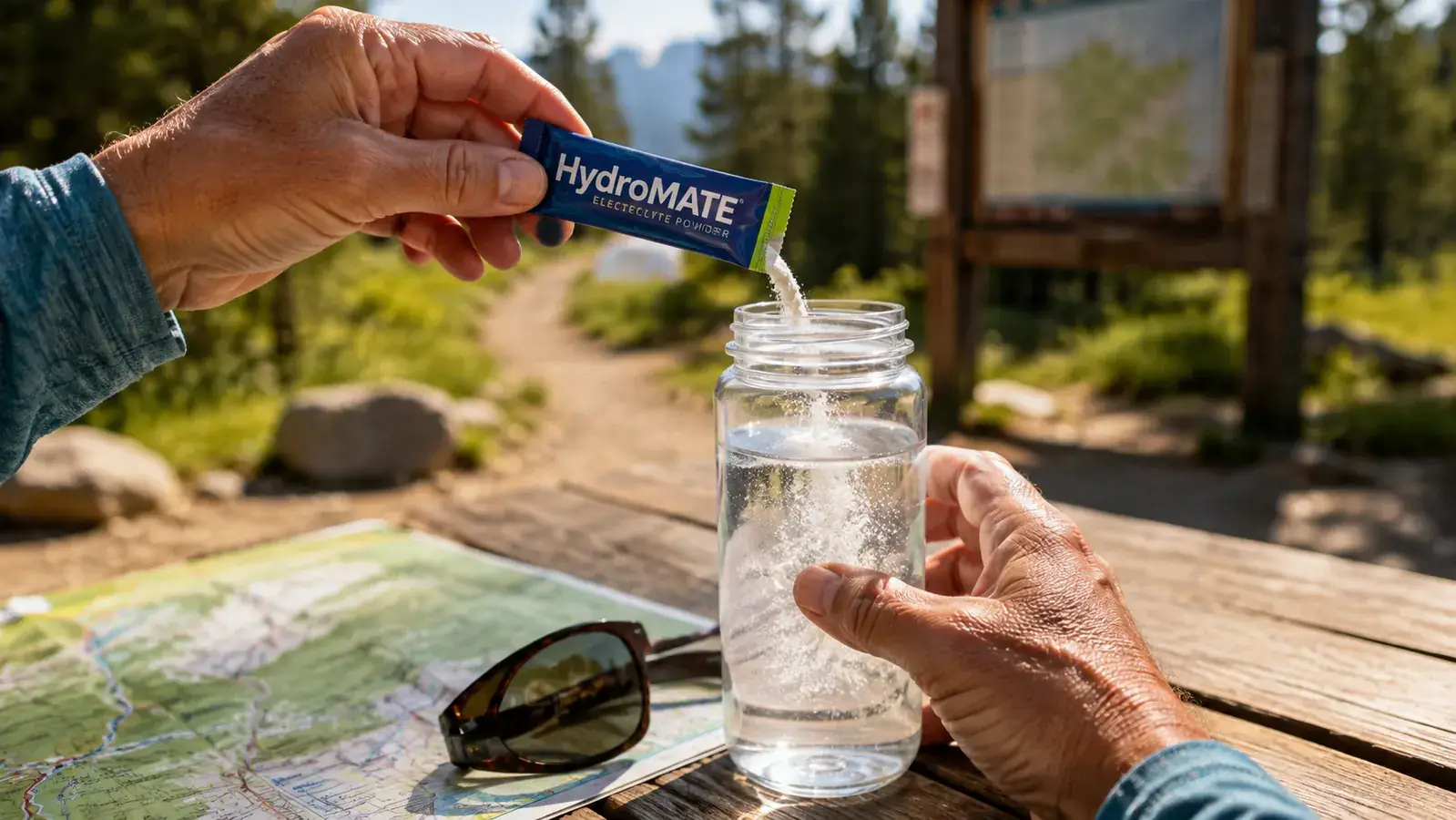
This is the step I skipped for years and the one that actually matters most. I now mix a HydroMATE packet into my first water bottle at the trailhead, before a single step, instead of waiting until I feel like I need it. Starting a long hike already carrying electrolytes in the water you're drinking means you're ahead of the sweat loss instead of playing catch-up once the trail heats up around mile four or five.
The general approach that's worked for me on hikes over five or six miles is one packet in the first liter or so of water, tasted and mixed the way I like it, not chugged all at once but sipped steadily over the first stretch of trail. Everyone's needs are different depending on how much you sweat, the heat, and your own health, so this is a starting point to adjust from, not a rule, and it's worth talking to a doctor if you're managing a condition that affects sodium or fluid intake.
On a shaded, cooler morning hike, I sometimes skip the electrolytes in that first bottle entirely and save the packets for later in the day when the sun is actually working against me. The point of this step isn't to drink electrolytes constantly, it's to stop waiting until you already feel bad to reach for them.
Step 3: Time a Second Packet Around the Halfway Point
The halfway point of a long hike, or the turnaround if it's an out-and-back, is where I now build in a second HydroMATE packet, especially on anything with real sun exposure. This is usually where I'd sit down anyway to eat something, check the map, and let Scout find a patch of shade, so it costs me nothing extra in time. I mix the packet into whatever water I have left rather than waiting until the bottle is nearly empty, since the goal is staying ahead of the deficit, not catching up to it on the way down.
This is also the checkpoint where I actually look at how much water I have left against how much trail is still in front of me. My mistake on that rough ridge hike wasn't really about electrolytes at all, it was carrying one bottle for a long, exposed route in real heat. The packet at the halfway point forces me to stop and do that math instead of assuming the second half will take care of itself the way the first half did.
If the trail has a real climb in the second half, I've started leaning toward mixing this packet a little stronger than the first one, since that's usually where the effort and the heat both stack up at once. Again, this is preference built from my own trail days, not a number handed down from anywhere official, and it's worth adjusting to how you personally feel rather than copying my exact habits.
One thing worth being straightforward about is that more electrolytes isn't automatically better. I don't mix a packet into every single bottle back to back all day, and I don't stack extra packets into one bottle hoping to feel some bigger effect. I follow the mixing instructions on the package rather than guessing at a stronger dose, and I treat the packets as something to use with a plan behind it, not something to lean on constantly. If you're unsure what a reasonable amount looks like for your own body and activity level, that's a conversation for your doctor, not a hiking article.
Step 4: Read Your Own Body, Not Just the Mile Marker
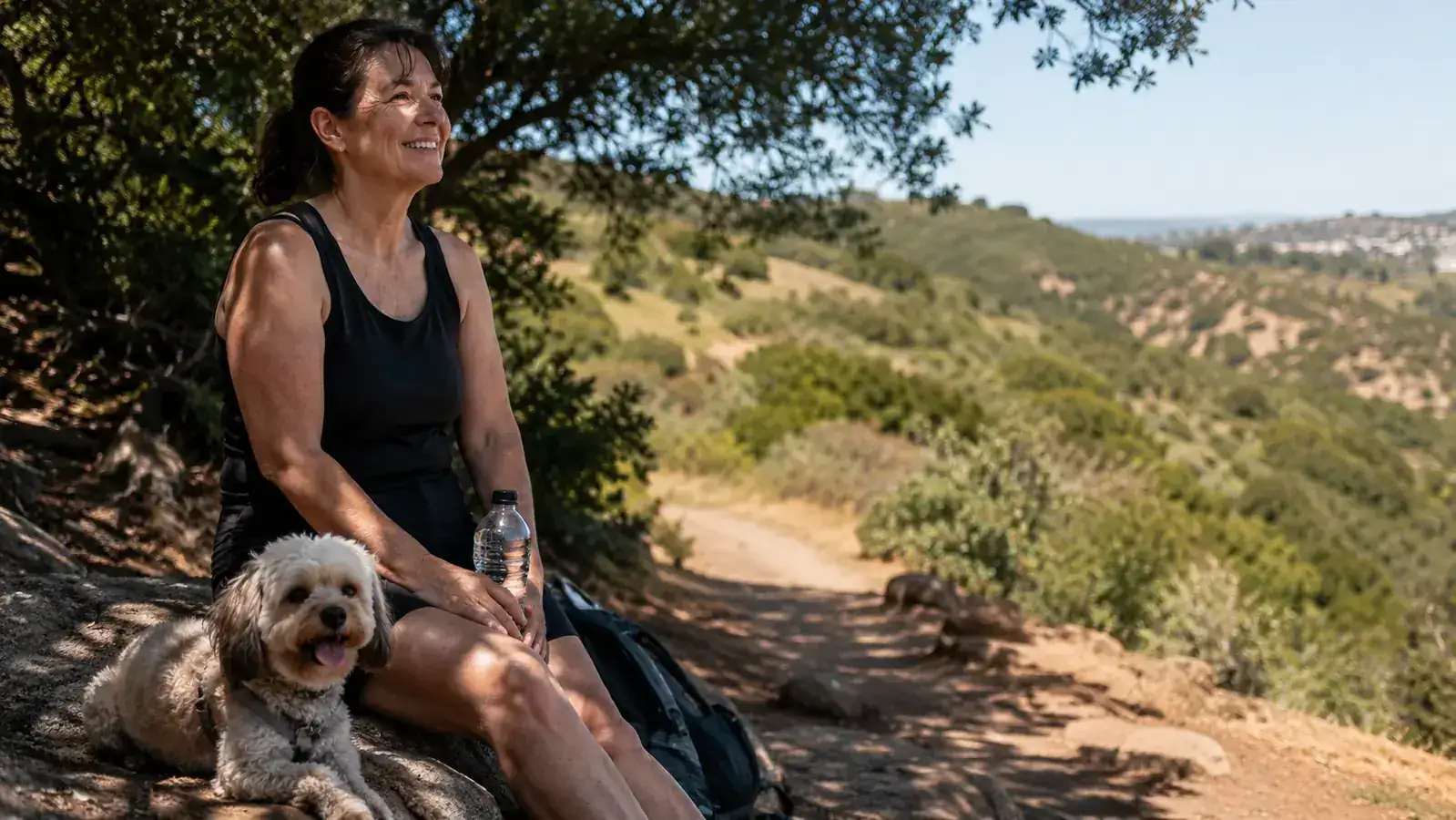
The steps above are a schedule, but the schedule bends around what I'm actually feeling, and that matters more than sticking to a plan for its own sake. A headache that shows up out of nowhere, legs that feel heavier than the elevation gain explains, or a wave of foggy thinking on a hot exposed stretch are all cues I take seriously now instead of writing off as just being tired. If any of those show up between my planned checkpoints, I stop, sit somewhere with a bit of shade if there is any, and mix a packet right then instead of waiting for the next scheduled point on the trail.
I want to be clear that I'm not a doctor and this isn't medical guidance. Dehydration and heat-related illness are real medical conditions with real warning signs, and if you or someone you're hiking with is showing confusion, is not sweating in heat, is vomiting, or seems seriously unwell, that's a situation for getting off the trail and seeking medical help, not a situation an electrolyte packet is going to fix. What I'm describing here is the ordinary, garden-variety sluggishness and mild headache that shows up on a long hot trail day, not an emergency, and anyone managing an existing health condition should get their own doctor's guidance before relying on a plan like this.
Scout gives me a cue too, in his own way. When he starts hunting out every scrap of shade and slowing his pace, it's usually a sign the heat is doing more than I've noticed on myself yet, since I'm moving and distracted and he's just walking next to it all day. Watching him has taught me to check in with myself sooner than I naturally would, and it's turned into a habit I now trust as much as any mile marker.
Step 5: Replenish on the Drive Home, Not Just the Trail
The last step happens after the hike is technically over, back at the truck or the campsite, and it's the one people skip most often because the hard part feels done. I keep one more HydroMATE packet for the drive home or the first hour back at camp, mixed into a fresh bottle while I'm loading gear or setting Scout's water bowl down. A long hike doesn't stop costing your body something the second you reach the trailhead sign, and a few hours in a hot car seat isn't exactly a recovery environment either.
This step also sets up how I feel the next morning, which matters more to me now than it used to. The mornings I skip it, I tend to wake up stiffer and more worn down than the hike itself really earned, and the mornings I stick with it, getting up and moving again feels a lot less like a negotiation. I can't say that's true for everyone, only that it's the pattern I've noticed in my own recovery after a long trail day, and it's part of why this last step doesn't get skipped anymore just because the hike is over.
This is also when I restock the pouch in my pack for next time, counting out however many packets got used and topping it back up before the bag gets thrown in the closet until the next trip. It's a small habit, but it's the reason I've never again been the person standing at a trailhead realizing the electrolyte packets are still sitting on the kitchen counter.
What Else Helps
Electrolyte packets are one piece of a longer hiking day, not the whole plan. Checking the forecast and the trail's sun exposure before I go, starting earlier in the day to avoid the worst of the afternoon heat, packing salty snacks alongside the sweet ones, and wearing light-colored, breathable clothing all matter just as much as what's in the water bottle. A hat and sunglasses do more for how I feel by mile six than people give them credit for, and none of it replaces just carrying enough water in the first place, which is still the actual foundation everything else sits on top of.
Rest breaks matter more than I used to give them credit for too. A few minutes sitting in actual shade, even somewhere small like the shadow of a boulder, does something plain walking through the sun never will, and I build those pauses into the same checkpoints where I'm already mixing a packet so neither habit feels like extra effort. Pacing myself on the climbs instead of pushing straight through them has cut down on how depleted I feel by the time I'm back at the truck, which has done as much for how I feel the next day as anything in a bottle.
The plan isn't complicated. It's five small moments spread across the day where I stop, check in, and mix a packet instead of waiting until my legs are telling me I waited too long.
Build the Plan Into Your Pack, Not Your Memory
The whole point of this plan is that it doesn't rely on remembering how you feel at mile six. Keep a few HydroMATE electrolyte packets living in your pack year-round so the plan is already packed before the next long trail day even starts.
Amazon See Today's Price on Amazon →